
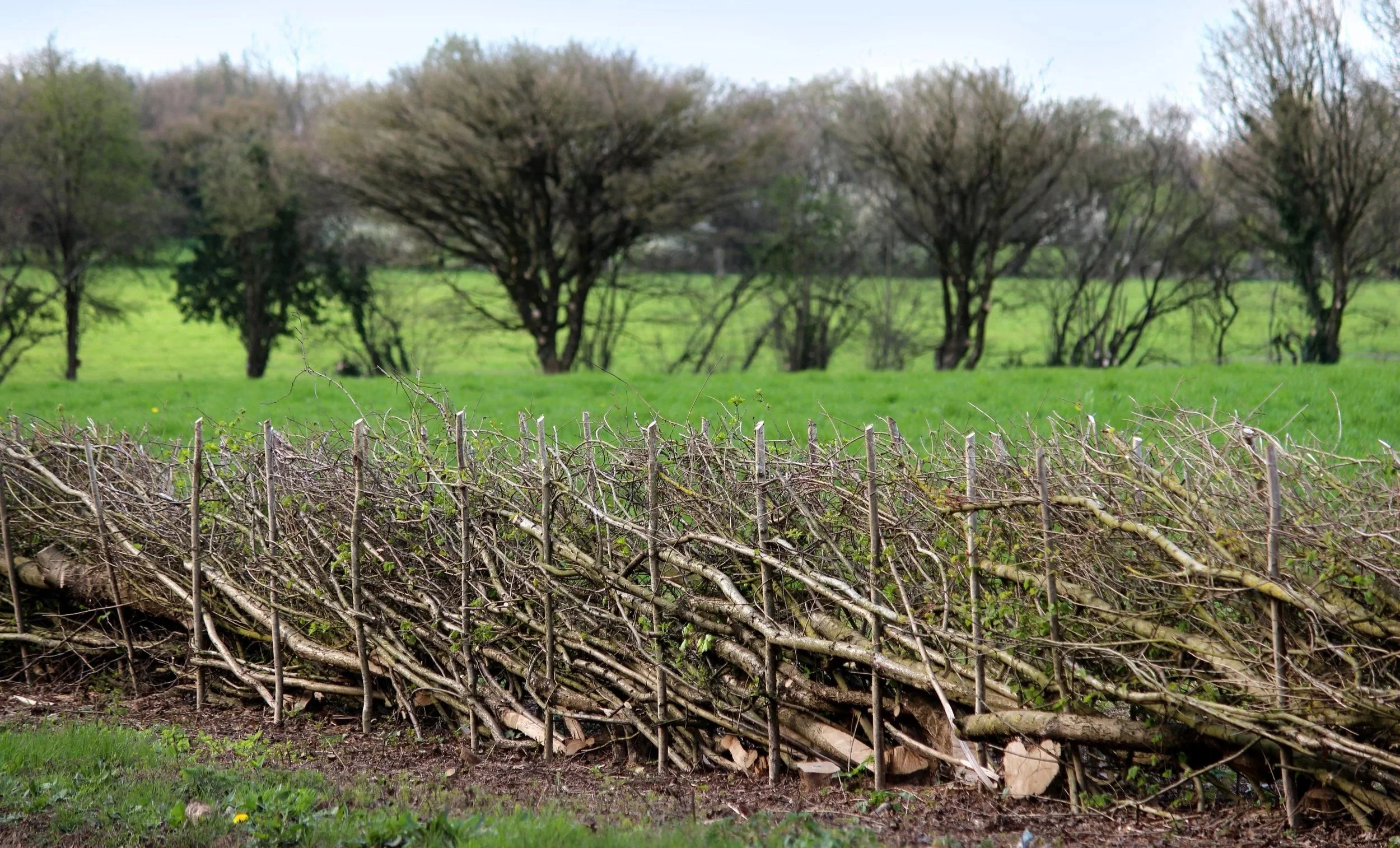
Restoring Living Boundaries
Across the Midlands
Through traditional hedgelaying, native hedge planting, and countryside access work.
Restoring Living Boundaries Across the Midlands
Through traditional hedgelaying, native hedge planting, and countryside access work, Field & Thorn helps care for and strengthen the living boundaries of the Midlands — with long-term stewardship and wildlife in mind.
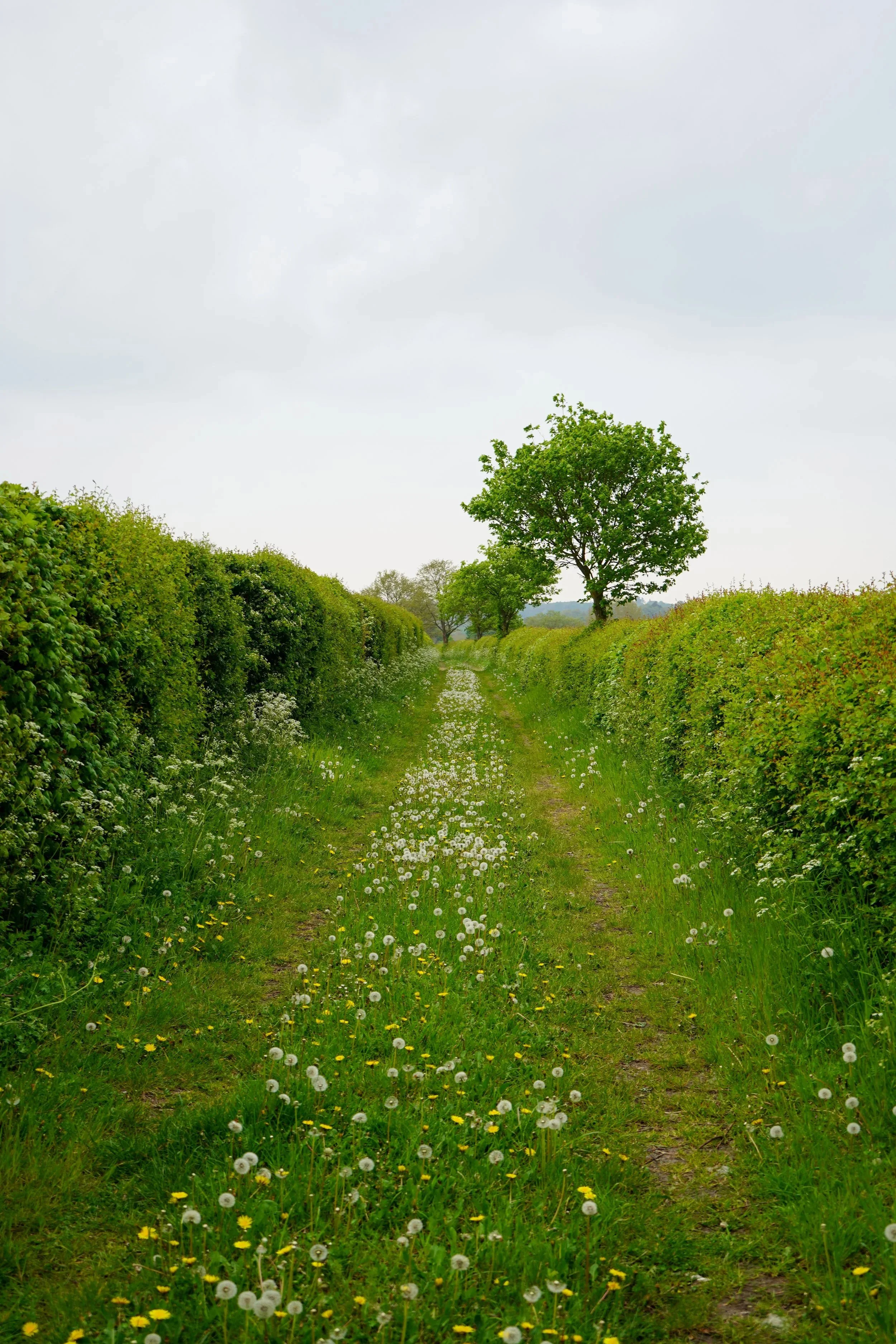
A Thoughtful Approach to Living Boundaries
Field & Thorn is a countryside craft practice by Tom Warden, focused on traditional hedgelaying, native hedge planting, and the long-term stewardship of living boundaries across the Midlands.
Working with traditional techniques and native planting schemes, the aim is not simply to create tidy boundaries, but to create healthy, living structures that provide shelter for wildlife, improve habitat connectivity, and reinforce the character of the countryside.
Every hedge, boundary, and site carries its own history and condition. Whether restoring an overgrown hedgerow, establishing a new native planting scheme, or improving countryside access, Field & Thorn approaches each project thoughtfully, balancing practicality, appearance, wildlife value, and the long-term health of the boundary itself.
Working with traditional techniques and native planting schemes, the aim is not simply to create tidy boundaries, but to create healthy, living structures that provide shelter for wildlife, improve habitat connectivity, and reinforce the character of the countryside.
Every hedge, boundary, and site carries its own history and condition. Whether restoring an overgrown hedgerow, establishing a new native planting scheme, or improving countryside access, Field & Thorn approaches each project thoughtfully, balancing practicality, appearance, wildlife value, and the long-term health of the boundary itself.
Services
From restoring overgrown hedgerows and planting new native boundaries to installing gates and countryside access features, Field & Thorn undertakes a range of countryside craft services across the Midlands.
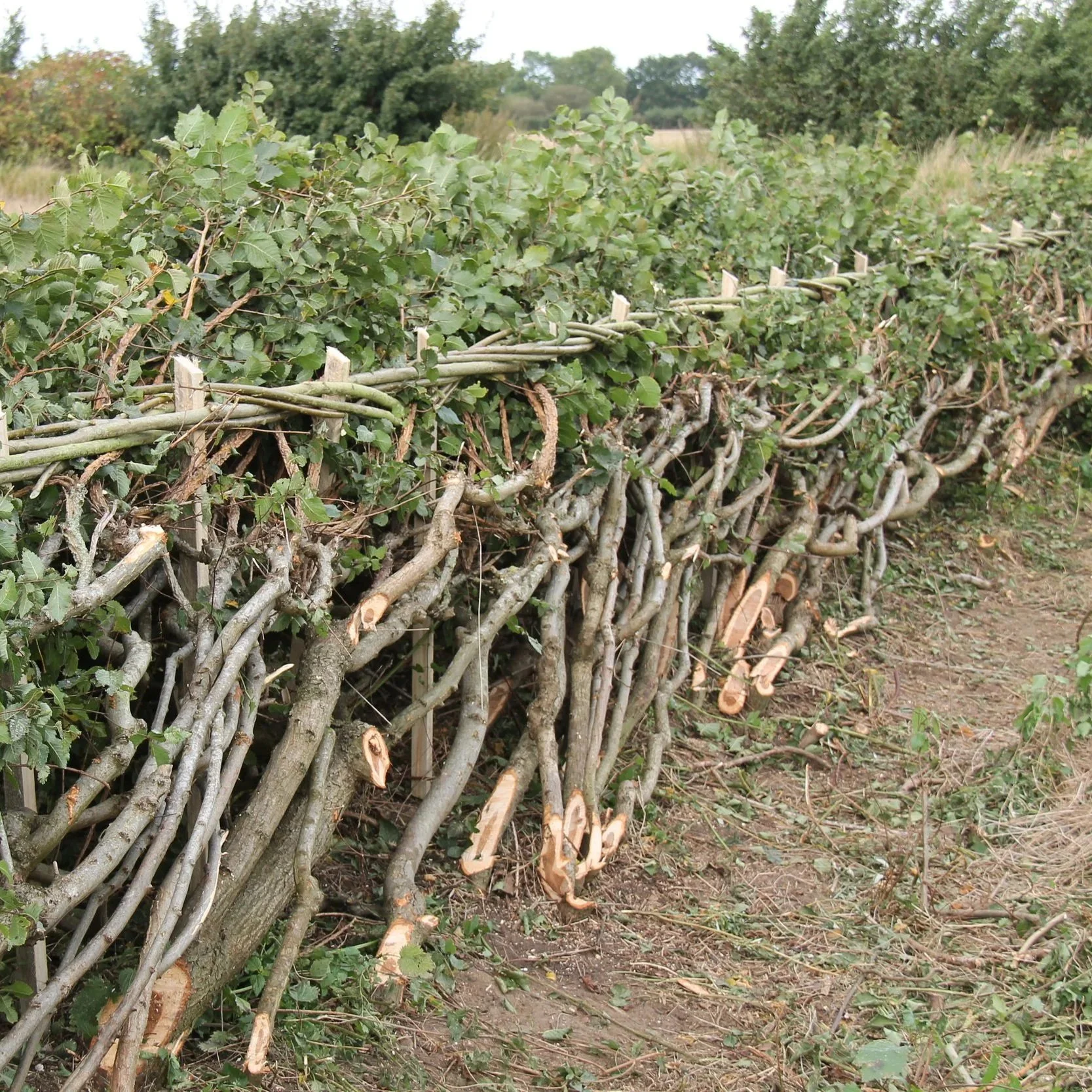
Hedgelaying & Restoration
Traditional hedgelaying
Reclaiming overgrown hedgerows
Coppicing and boundary management
Working with wildlife in mind
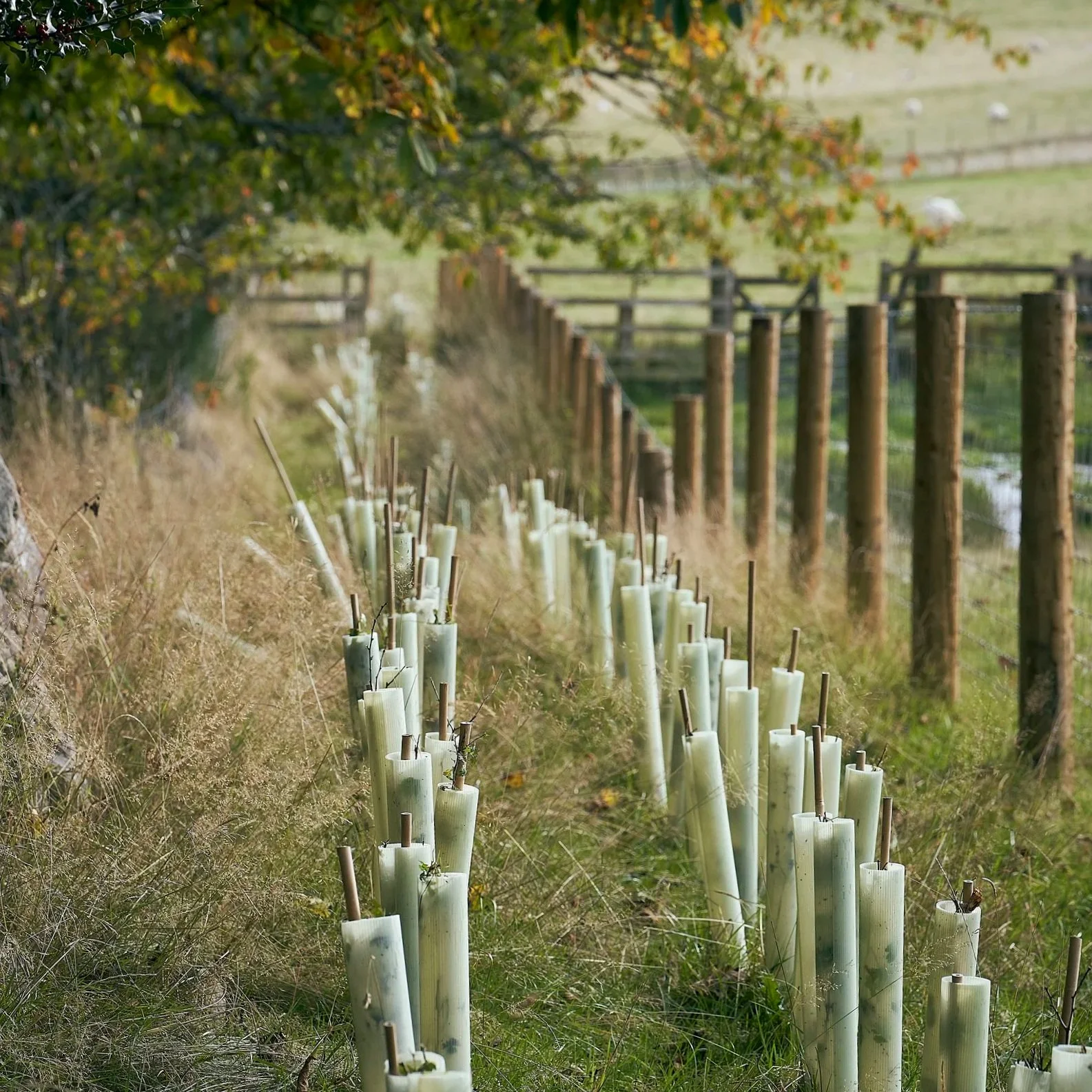
Native Hedge Planting
Mixed native species planting
New hedgerows and gap planting
Planting plans suited to landscape and soil
Long-term establishment advice
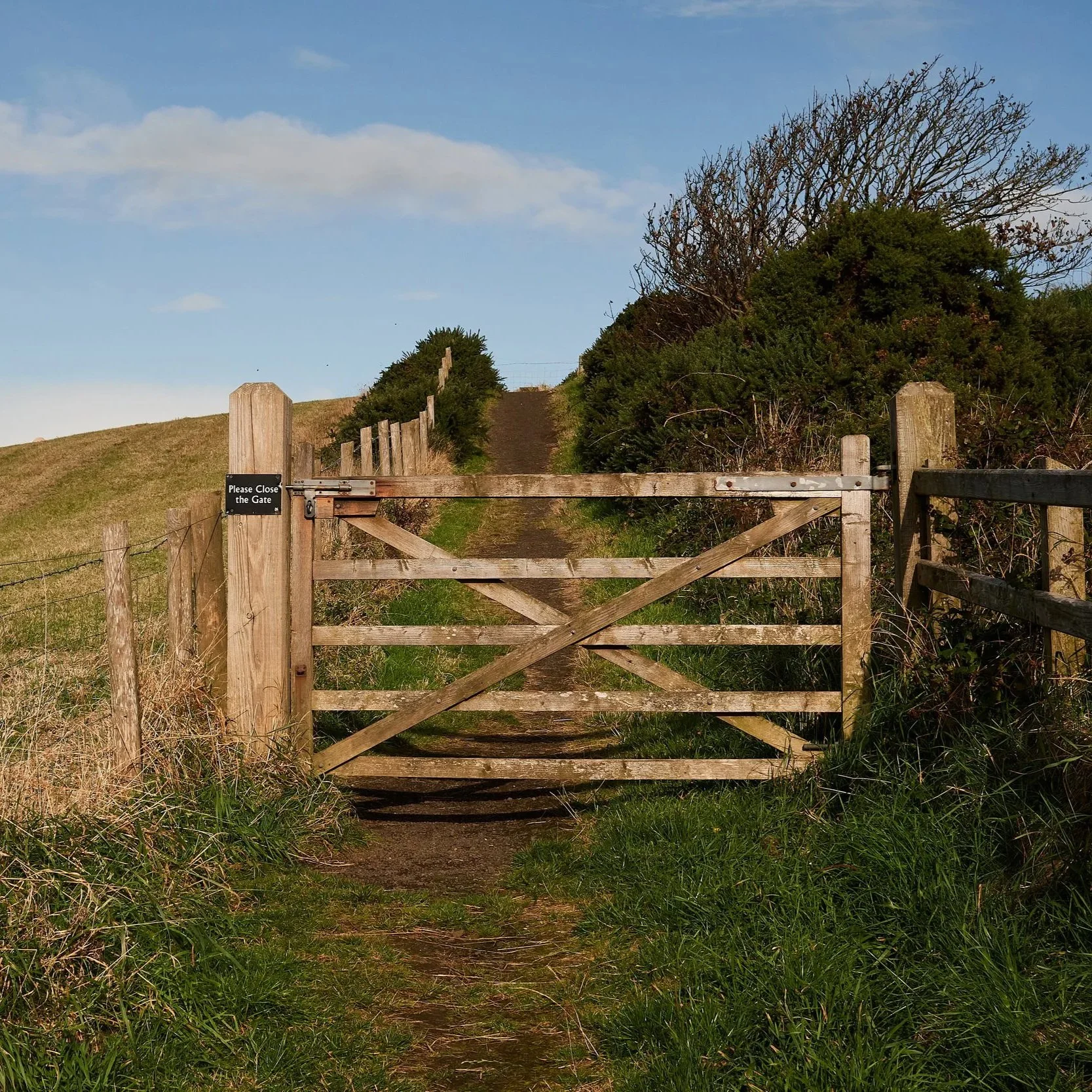
Countryside Access
Field & estate gates
Stiles & kissing gates
Traditional hurdle fencing
Public footpath access features
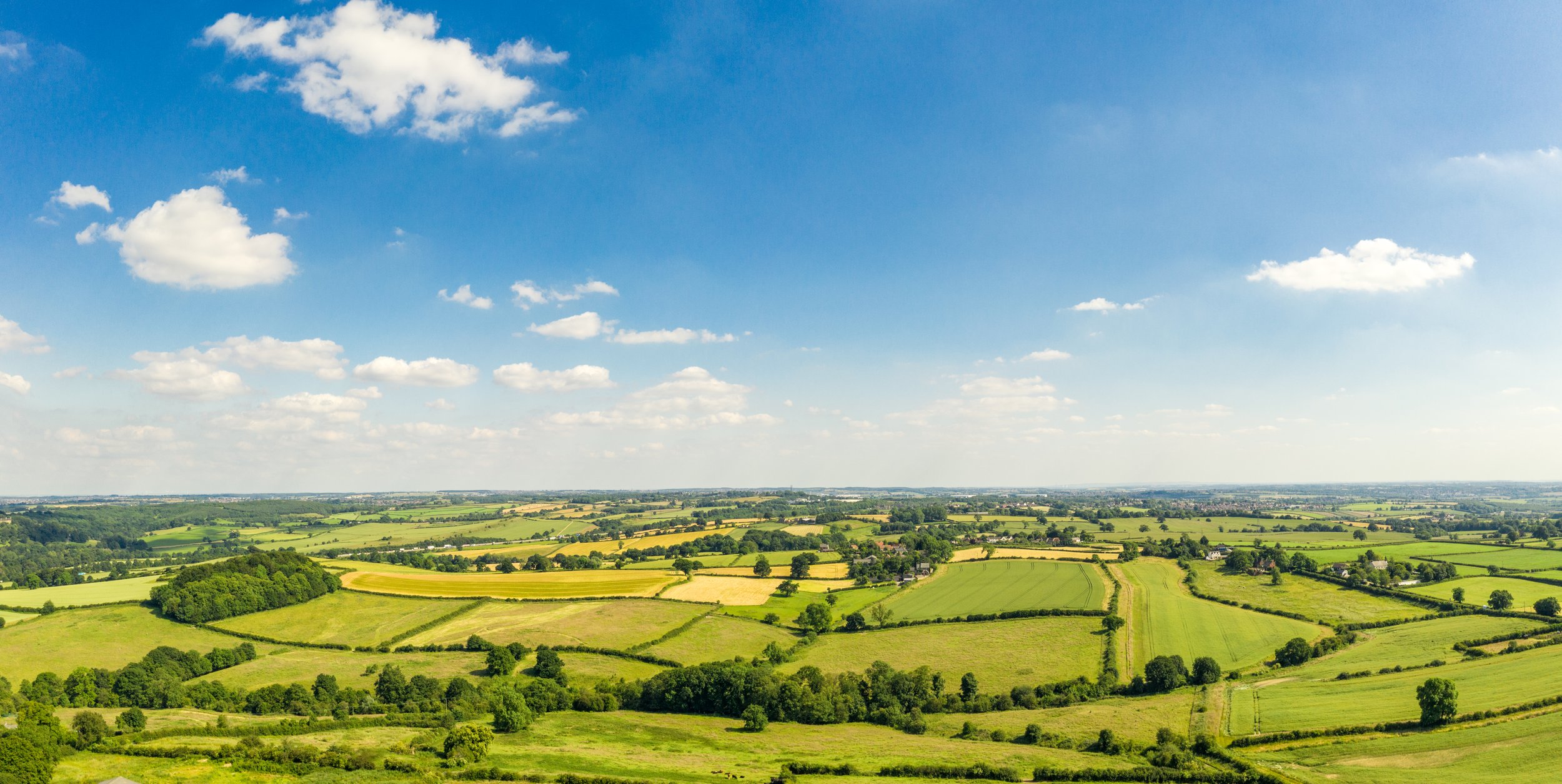
Serving the Midlands
Based in the Midlands, Field & Thorn works across Warwickshire, Leicestershire, and surrounding counties, providing traditional hedgelaying, native hedge planting, and countryside access services.
Clients include farms, estates, private homes, schools, parish councils, and landscape-led developments, with every project approached thoughtfully and with long-term stewardship in mind.
Field & Thorn works across Warwickshire, Leicestershire, and surrounding counties.
Clients include farms, estates, private homes, schools, parish councils, and landscape-led developments, with every project approached thoughtfully and with long-term stewardship in mind.

Get in Touch
Whether you are considering restoring an overgrown hedge, establishing new native hedgerows, or creating new boundaries with gates and countryside access features, Field & Thorn welcomes early conversations and site discussions.
Every landscape and boundary is different, and an initial site visit can help identify an approach suited to the setting, long-term management, and character of the land.
As traditional hedgelaying is seasonal work carried out through autumn and winter, spring and summer are often an ideal time to discuss future restoration and planting projects ahead of the coming season.
Whether you are considering restoring an overgrown hedge, establishing new native hedgerows, or creating new boundaries with gates and countryside access features, Field & Thorn welcomes early conversations and site discussions.
As traditional hedgelaying is seasonal work carried out through autumn and winter, spring and summer are often an ideal time to discuss future restoration and planting projects ahead of the coming season.